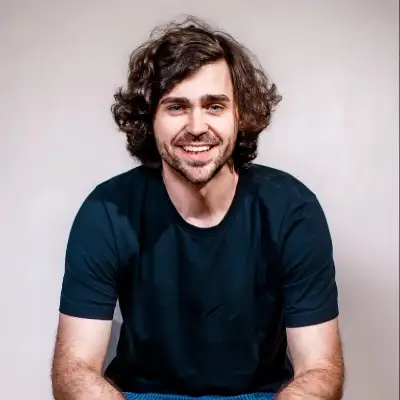
Chris Maurice: Learnings from Scaling Crypto across Africa for a Decade
At the end of the day,
finding the most value for the work that you're doing,
you have to be an entrepreneur.
It's like,
you know,
high risk,
high reward,
right?
Like,
you know,
the odds of you getting absolutely no value for
all the work that you did is actually quite high.
At the same time,
if it works out,
then you're gonna be,
you know,
you're gonna earn significantly more than
you could have as an employee somewhere.
If you're taking money from somebody,
like some people,
people compare it to a marriage.
In theory,
I could leave my wife.
Like,
I can't leave the investor's wife.
It's much more legally binding than a marriage.
I've known Chris since the very start of my
own entrepreneurial journey back in 2020.
Back then,
SwiftSKU was hardly more than an idea,
and Yellow Card was still a tiny startup with the founders working
out of their apartment with the walls covered in sticky notes.
Chris has been a wonderful mentor to me and my co-founder,
and I hope that bringing him onto the podcast will let some of his wisdom
out into the world for young entrepreneurs everywhere to learn from.
He's taken an unconventional approach to company building,
and if nothing else,
I'd like to share his unique story to show that there
might be more ways to make it big that we might think.
To start us off,
Chris,
could you tell us the Taco Bell story for the millionth time?
Sure,
yeah,
happy to.
Well,
good to be here,
sir.
Thank you for having me on.
The Taco Bell story,
man.
So I think...
It's famous.
It's famous at this point.
So I think,
I mean,
in order...
I gotta give some background in order to get to Taco Bell.
Sure,
let's hear it.
So basically,
I mean,
you know,
the entrepreneurial journey for this company started back in,
I mean,
essentially,
2013.
So that's when I first got into Bitcoin and crypto.
So my now co-founder at the time was the guy that,
you know,
got me in,
right?
And so,
you know,
Justin is,
I mean,
6'7",
very sweaty,
and just would be,
I mean,
at college parties evangelizing the gospel of Bitcoin.
And so got me in,
you know,
quite early into the space.
And then by 2015,
we were fully down the rabbit hole.
And,
you know,
we sort of...
The way that we got started was I saw Bitcoin
being sold on eBay for about 150% markup,
right?
Bitcoin at the time was like $150,
$100.
People were selling it for $300+ on eBay.
And I sent the link to Justin and I said,
you know,
"Man,
I know how to do eBay.
You know how to do Bitcoin.
Let's make some freaking money". And so we listed Bitcoin on eBay.
And within the first week,
we did $40,
000 in sales,
right?
At 100% margin.
So this is,
you know,
more money than I've ever seen in my life,
right?
I'm going to call my mom,
tell her I'm dropping out of school.
I'm going to sell magic internet money for the rest of my life.
And that's when I learned what a credit card chargeback is.
Hard way.
So what we thought was like the best business of all time was actually just a
bunch of dudes in Russia and India that were running cards that they stole.
And then,
you know,
taking the Bitcoin and then the owner of the card would charge it back.
So yeah,
so that sucked.
Not a great experience.
And after that,
you know,
through some combination of insanity and intuition,
decided,
you know,
"Hey,
you know,
we still love the space.
We want to do something in the space". And so we
put our collective brains together and we said,
"We're going to accept the only irreversible payment method known to man,
which is cold,
hard cash". And so we started putting out ads that basically said,
"Hey,
we have Bitcoin.
Come,
you know,
meet up with us and give us cash and we'll give you the
Bitcoin". And people started responding to these ads.
And so we did the only thing that two reasonable
college students in our position would do,
which is every Wednesday,
you could come to the Taco Bell on Gay Street in Auburn,
Alabama.
You could find Justin and I eating our Doritos Locos Taco
12 pack and you'd slap a couple hundred dollars cash on
the table and we'd scan your QR code and give you Bitcoin.
And I will say though,
this operation worked perfectly at Taco Bell,
right?
Like this would have never worked at a Chick-fil-A.
This was meant for Taco Bell.
And so,
yeah,
basically we started doing that.
We did that for,
what,
about two weeks.
And then we were like,
"Well,
shit,
this is working". So we start calling up friends at LSU,
Yale,
Georgia,
Alabama,
anywhere that we knew somebody from high school.
And within about three weeks,
we had seven Taco Bells on the Eastern United States,
all within college campuses where you could walk in and buy Bitcoin.
And so,
we did that for about two and a half months before
deciding that this is way too sketchy and unscalable.
And sort of birthed the idea,
the original idea of Yellow Card out of,
"Well,
how do you turn this into something that's
actually scalable?" That's a great story.
I love it.
It gets more interesting every time.
Every time I get to hear a different part.
I didn't know about how sweaty Justin was pushing Bitcoin.
He's very sweaty.
He's a sweaty guy,
dude.
Oh,
man.
I bet he's gonna love hearing all about that.
Yeah.
He calls me short and I call him sweaty.
That's the trade-off.
I am 6'5" for anybody watching.
And if you meet Justin before you meet me,
he'll tell you that I'm like five foot two.
I can't tell you how many people I've met that have just been like,
"Wow,
you're a lot taller than Justin said you are". Were there any
situations that made you feel really sketchy at the beginning,
doing things that don't scale in hindsight?
Were there anything that happened that was like,
"Oh man,
I might lose my life for this Bitcoin right now". Were you ever threatened?
Did anything bad happen to you or any of
the people involved in it when it was cold,
hard cash at first?
No,
no.
I mean,
we were going through a legitimate website,
right?
I mean,
there was certain verification and everything that you had to do.
So it's not,
I mean,
we were not dealing with random people on Craigslist or something,
right?
So it wasn't,
we weren't that cowboy.
That being said though,
I mean,
in terms of losing Bitcoin,
I mean,
the amount of money in hindsight that we lost in the early
days through either stupidity or actually mostly stupidity,
yeah,
is pretty wild,
right?
I mean,
we have a CPU that popped,
right?
I mean,
just the computer,
we were mining Ethereum,
the rig caught on fire and like with 300 Ethereum completely unbacked up on it.
No.
We had a hot wallet that we were using and we
didn't put 2FA on it because we were like,
"Oh,
we don't need 2FA because both of us are logging in.
So like if we have 2FA,
it's going to be an issue". And long story short,
somebody else got in,
stole 21.8 Bitcoin from us.
That one sucked.
And so sometimes every once in a while,
you do the math on like some of the,
I mean,
look in the early days,
I mean,
I can't tell you how many times I would lose like a lot of doge or this or that,
right?
I mean,
with crypto and everything,
like none of it mattered.
None of it was worth anything.
And like,
yeah,
in hindsight,
it's one of those things where sometimes you do the math and it's like,
"Oh,
wow.
I'd sure like to have 21.8 Bitcoin right now.
Like that'd be sick if I had an extra 21 Bitcoin". Yeah,
yeah.
That'd be great.
I don't think it would hurt anybody.
No.
I know you'd mentioned that you were selling them on eBay at first.
I also was like looking and I was like,
I think we talked about this before,
but I saw this on your LinkedIn and was like blown away.
You have like selling Pokemon cards on eBay
for like nine years before Yellow Card.
I know a bunch of different founders who,
myself included,
who sold things on eBay in their teen years to like make a
buck and start off their entrepreneurial journey that way.
We'd love to hear how you got into it and the story behind that.
Yeah.
Well,
I mean,
look,
I got into it the way that probably anybody else that's
selling Pokemon cards on the internet gets into it,
which is you are collecting and then you say,
"Hey,
mom,
can you buy me this?" And then she says,
"No,
obviously not". And then it's like,
"Oh shit,
I guess I got to figure out how to make money now". So,
I mean,
we got into it the old fashioned way.
I will say though,
man,
that is one that I was 10 years too early on.
For anybody that does not track it,
over the last three years,
Pokemon has outperformed Bitcoin and everybody knows
what Bitcoin has done over the past three years.
So you can imagine that market for cards has just,
I mean,
gone absolutely ballistic.
The investments,
because I do still invest in Pokemon,
the investments that I've made in sealed products and things
like that on Pokemon have outperformed by Bitcoin over
the course of pretty much the same amount of time.
That market has thousand X over the past 10 years.
It's wild how popular it's gotten.
When I was doing this,
obviously there were people doing it and there were a
number of sellers and you had shops and you had all that,
but you didn't have that many.
And now,
I mean,
there is a full market now,
man.
I mean,
you have like Whatnot and all these other companies that have
popped up that have billion dollar valuations just doing Pokemon.
I mean,
Whatnot is for cards in general,
but it's Pokemon in practice,
right?
And yeah,
it's crazy,
man.
That ecosystem has developed in such a wild way over the past several years.
You heard it here first,
folks.
Take all your money out of Yellowcard and put it all in Pokemon.
Put it in Pokemon,
dude.
Just go buy sealed products,
man.
It's so funny.
That's crazy.
Well,
it might be a good time to maybe share just a
little bit about what it is that Yellowcard does,
like why you decided to start Yellowcard back in the day,
what compelled you to become a founder and become an entrepreneur?
What do you think it is within you that led to that start?
I think I'm just fundamentally broken.
I don't know why anybody else starts a company.
No,
I mean,
I think,
you know,
look,
it's something that from a young age,
I knew that I wanted to do,
right?
Not Yellowcard specifically,
but,
you know,
like,
sort of the entrepreneurial journey and all of that.
And so,
you know,
from a young age,
you know,
I was,
I mean,
again,
I mean,
like the,
you know,
Pokemon and everything that started in what,
fifth grade,
right?
So,
I mean,
you know,
it's just it's something that I've always had in me.
I've always been sort of a self starter,
you know,
able to,
able to,
you know,
work and like accomplish goals,
set goals,
accomplish goals sort of on my own.
I think all of that is pretty critical.
And the idea of working for somebody else disgusts me.
And so,
you know,
combination of all of that.
Yeah,
I think,
you know,
that's,
I mean,
that's really what led to it,
right?
I think I,
you know,
the way that I see it,
I'm far better at being an entrepreneur than I would be at being an employee.
I feel like I'd be a very bad employee.
Because,
like,
I think,
like,
if I was working for you,
and you were like,
oh,
hey,
go do this,
I would just be like,
no,
that's dumb.
I'm gonna,
like,
do this other thing.
Like,
yeah,
and so I mean,
you know,
it's one of those things,
it's just always been there.
It's always been in me.
Tried a number of things,
right?
I was doing a number of things.
I mean,
you know,
Pokemon was the one that worked,
right.
But I,
you know,
I did a number of other things.
I did a lot of writing.
I did a lot of SEO,
especially,
I mean,
like,
at the time when people were actually starting to care about that.
Obviously,
the beauty of the internet is you don't have to,
you know,
tell anybody how old you are,
right?
So you can be like 15 writing articles for,
you know,
ghostwriting for CNN,
and nobody's IDing you.
And so yeah,
I was doing,
I was doing a lot of ghostwriting,
a lot of like SEO,
stuff like that,
like optimization,
SEO,
writing blogs,
all that.
Obviously,
this was before chat GPT,
right,
where,
you know,
now,
you know,
now nobody needs me to generate slop,
right.
But yeah,
I think,
I mean,
that,
for me,
that was,
that was really the start,
right.
And it was always,
it was always around,
like,
how do I make enough money that I don't need to go get a job,
right?
I don't want to go like,
I don't want to go work at like Walmart,
you know,
like,
checking people out or like,
go bus tables or anything like that.
I will find a different way to be able to support myself.
And then,
yeah,
I mean,
yellow card is,
you know,
sort of the first,
how do you say adult company that,
you know,
yeah.
I feel the same way about SwiftSKU.
Like there was like a number of startups,
some that even brought like real money,
but like SwiftSKU is like the first one where I'm like,
to the moon,
you know,
like really giving it my all.
So it's,
that's,
that's what I refer to as my first real company as an adult company.
Yeah,
adult company,
grown up stuff.
Yeah.
Is writing instrumental in your success with yellow card?
Like,
was that helpful at the very beginning?
I think,
I mean,
I am biased here,
but I think that writing is one of the most fundamentally important
skills that like you as a human can develop to be successful in life.
And I think that like writing,
like being really good at writing plays into so much else,
right?
Writing is,
is it's,
it's more than just like,
you know,
putting words on paper,
right?
It's,
I mean,
it is storytelling.
It is critical thinking.
It is crafting a narrative.
It is,
you know,
all of these things.
Right.
And a lot of that,
like,
you know,
look,
there's a reason that in the U S most politicians are lawyers,
right.
And have like law backgrounds,
because when you're going through law school,
all you do is write,
write,
write,
write,
write,
write,
write,
you're writing papers,
you're writing,
you know,
arguments,
you're writing this,
you're writing that.
And like getting really good at writing is what helps you
like that more than anything is what helps you when you
think about it from like an entrepreneurial standpoint,
that's how you craft a pitch.
You are writing when you are crafting a pitch,
when you are presenting your company,
you are writing,
right.
When you are,
you know,
selling,
you are writing,
right.
Like there's like for all this stuff,
you are taking a central beam,
which is the company,
and then you are crafting the narrative depending on the audience,
right?
So if it's an investor,
then,
you know,
we're going to talk more about growth and we're going
to talk about revenue and we're going to talk about,
you know,
this and that.
If it's a customer that we're going to talk more about like the technology,
the features,
the ease of use,
you know,
how,
you know,
inexpensive it is and,
you know,
comparisons and all that.
Yeah,
it's,
I mean,
like writing,
writing is what builds that muscle,
I think for so many people.
And I think,
you know,
as you think about like,
as you think about like,
you know,
the impact of AI,
right,
and the impact of like some of this new technology,
I think that one of the things that I am most concerned about
for like sort of the next generation up is that with AI,
there is no longer a reason to write.
There's really not like there's not a reason
to learn writing for like the average person,
right?
Because if you are,
if you're in school and you need to do a book report,
like dog,
by the time I finished this sentence,
I can have a whole I can have like a five page,
you know,
like book report on Confederacy of dunces in,
you know,
perfect with like MLA format and,
you know,
everything else,
right?
Like,
I don't need to know how to do any of that anymore.
And yeah,
that is I think that's one thing.
That's one thing that like,
I think people look at writing as like a specific skill,
but it actually impacts so much more of the way that you think.
And I was fortunate enough to go to a high school that,
I mean,
pounded that into our brains.
Yeah,
I think writing teaches you how to think.
Like the,
like the iteration process that you can do
with like written word versus spoken word,
like that iteration is like real refinement.
So I give writing a lot of credit for our success early on.
I now do more writing personally than I do like for work,
if you will.
I mean,
still like,
there's like a lot,
a lot of writing that goes into it,
but yeah,
I feel like writing is like a key,
key,
like entrepreneurial skill.
A hundred percent.
Right.
And,
and,
and to your point,
right.
It's,
it is,
it's about like the other thing,
like,
and I mean,
you know,
this was,
this was again,
like from like a high school standpoint,
one of the things that they just,
I mean,
really hit into our heads was like,
when you are writing something,
it should be perfect.
Like it should come out essentially flawless.
Right.
Like if I'm,
if,
you know,
if you and I are sitting here talking and we're going back and forth,
you know,
after this,
like I might,
you know,
later tonight I might be like,
oh,
I should have said that,
or I should have,
you know,
I should have said this or that or whatever.
Writing,
unless you are,
you know,
again,
unless you're like,
I don't know,
a journalist trying to churn out like a breaking news story.
Like if you are writing a long form essay,
book,
whatever,
that's not something you should be doing the night before.
Right.
You need at least two days to write it.
Cause you had,
you know,
give it one day to write it one day to,
you know,
think about everything that you messed up and redo it.
Right.
Like,
but you need at least two days to write anything long form.
I mean,
you know,
obviously books and stuff like that would take a lot longer,
but in theory,
right.
At least two days.
And you know,
like on the first day you go through,
you know,
you're,
you're just,
you know,
trauma dumping your,
you know,
your thoughts onto the page.
And then on the second day you're able to go through and it's like,
okay,
well actually I shouldn't have said that.
Right.
I should have,
I should have said this.
I need to include a paragraph on this,
you know,
things like that.
I mean,
shit,
even right now,
you know,
we're working on a,
we're working on like a document and you know,
it,
it was 11 pages.
Now it's 15 pages.
Right.
Because the first iteration was 11 pages.
And then there's four pages of other stuff that like,
we went back as a team and it's like,
oh no,
actually we need to add this.
We need to add this.
So it's,
you know,
it's one of those things that like written,
written word,
I think like if you,
if you respect written word the way that you
should in terms of like your own writing process,
it should come out nearly flawless in that you
should have said everything that you wanted to say.
Yeah.
Yeah,
clearly.
Yeah.
I like that.
I think,
I think I agree with you.
I think that's one of the most powerful tools for sure.
You mentioned there was like a number of different
reasons for like why you became a founder.
Like,
do you think you could point to like one specific event
or reason in your life that led you down this path?
Like what,
what made you take it?
Like take this journey of pain?
I don't know.
I don't know if there's anything specific.
I mean,
look,
I,
my mom,
my mom is a CPA.
I watched her for years work for the same company and be undervalued.
Right.
In terms of,
in terms of the work that she does.
I mean,
you know,
look,
I mean,
I,
I watched for years during tax season,
you know,
she gets up at,
you know,
3am after going to bed at,
you know,
10am or 10pm.
Right.
Like,
and just grinds and like,
yeah.
And like watching that be undervalued,
I think was part of it.
Right.
Where like,
I don't ever want to be in that position where like my
skills or what I bring to the table is undervalued.
And obviously look like there's the good and the bad of it.
I mean,
like she,
she has been basically with the same company her whole life.
Which is obviously that's not the best way.
I mean,
you know,
look,
I don't want to,
you know,
like that's not the best way to grow your earnings.
Right.
I think everybody,
I think that people know that now that the
best way to grow your earnings is kind of,
you know,
how do you say like bouncing off the,
you know,
like spider manning off the walls as you climb up,
right,
company to company.
But like,
I think there's,
there's something to be said for like the loyalty,
right.
And I think that like that,
like the loyalty is something that is largely gone with this generation.
This generation being our generation,
and also younger generations,
like millennial and down,
I don't think like you don't have that loyalty anymore.
Which,
you know,
look,
I mean,
there's,
there's all I mean,
I get it.
Like,
yeah,
if a company's not valuing you,
then you know,
you should go somewhere else.
At the same time,
there is something beautiful about building for the long term.
Right.
And like,
you know,
hopping company to companies is,
you know,
maybe a good way to earn more money.
But like,
you're not building something for the long term,
right?
You're just sort of a hired mercenary at that point.
And so it was it was some combination of the two where it's like,
I want to be able to build something that like,
you know,
really like from the ground up and really
like be transformative in that process.
But at the same time,
I want to make sure that like I am my skills are properly valued for you know,
what I know that I'm able to bring to the table.
So how do you get the most leverage from like your work?
Is that like a good summary?
I think so.
I mean,
look,
frankly,
I think I mean,
at the end of the day,
like finding the most value for the work that you're doing,
you have to be an entrepreneur.
At the same time,
being an entrepreneur is also the best way to get
absolutely no value for the work that you're doing,
right?
It's like,
you know,
high risk,
high reward,
right?
Like,
you know,
the odds of you getting absolutely no value for
all the work that you did is actually quite high.
And,
you know,
on the same at the same time,
if it works out,
then you're going to be you know,
you're going to earn significantly more than you could have as you know,
in as an employee somewhere.
Yeah,
with the cost of like just higher risk profile.
But when you're the cost of you know,
giving up,
you know,
giving up years of your life to stress.
Yeah,
yeah,
definitely feel like I am squeezing in my 20s.
Do you think that you're going to be able to do what you're doing sustainably?
Like,
like,
I know you go really hard with your work.
You take it really seriously.
Like you're very intense with it.
You've been doing this for 10 years.
Can you see yourself like maintaining this intensity for 1020 more years?
Um,
I think it depends,
right?
I think it depends.
Like,
so I mean,
I think part of part of the reason that I've been able to do that,
and to do this for so many years sustainably is like,
with yellow card,
I mean,
it feels like it feels like I mean,
you can point to like different stages of the company.
And it's like,
that's,
that was a totally different company.
Right?
And so like,
it feels like a new company,
right?
Multi many times.
And so that has helped keep it interesting,
right?
That has helped keep it fun that has helped keep it,
you know,
challenging,
right,
working the brain,
that kind of thing.
At the same time,
like,
in the absence of that,
if it was just I mean,
if we were just doing the same thing every day,
over and over again,
there was never any change,
there was never like pivoting,
there was never any of that.
I don't know how long it would be sustainable,
right?
I think like,
I think you need,
at least for me,
right?
Like,
I need that excitement,
right?
I need like something,
like something new,
something like it needs to feel like it's something not net new,
but like something that is working,
that's growing,
that's going in the right direction,
all of that.
And yeah,
I mean,
at least for me,
and I think for a lot of the team,
the most recent rebirth has happened within this past calendar year,
right?
With like the US elections last year,
and then like the Genius Act and everything this year,
you know,
all of a sudden,
I mean,
I've been running around saying stable coins into a void for,
you know,
years,
and then all of a sudden,
everybody cares about it,
and the President's talking about it.
And,
you know,
you have all this activity going on in the space.
And so I think,
you know,
like stuff like that has helped a lot.
I think in the absence of that,
it's hard to say,
like,
it's hard to say where I would be at from like a headspace standpoint,
if none of that ever happened.
If again,
we were just,
you know,
banging our heads into a wall saying stable coin.
But I think like the,
like the,
how do you say,
there are external factors that,
at least for me,
that affect like my internal monologue,
right?
And like those external factors,
the macro environment shifting helped me quite a bit to like,
you know,
stay grounded and like,
yes,
this is good.
Let's,
you know,
the hell yeah,
dude,
let's make this happen.
When you're saying macro environment,
you're referring to like,
the price and hype around cryptocurrencies?
Are you talking about the regulatory landscape or something else?
I mean,
for us,
it's,
it's stable coins,
right?
So they are still $1.
And much to my chagrin,
I bought all this USDT back in the day,
hoping it was going to make me rich,
hoping I was going to retire on it.
And it is still $1.
I should have just bought Bitcoin.
But so,
you know,
with,
with stable coins,
you know,
look crypto,
like the crypto boom and bust cycle happens,
and that's going to continue to happen regardless.
But I think,
you know,
with stable coins,
this year has been the first year that people
really came around to this realization that like,
oh,
shit,
like stable coins are huge.
Like this is this technology is a fundamental shift
in the way that money moves around the world,
right?
And like,
this is a good thing.
And I think that like,
that people coming around to that has helped a lot,
right?
In that,
like,
it's just a lot more fun now.
Right?
Like,
I don't I didn't love I mean,
you know,
look,
for like two years,
it's like,
man,
it's like,
you know,
we're going around for less,
you know,
I mean,
more than two years,
right?
Like four years now,
we've been going around explaining to people,
you know,
oh,
stable coins are good,
you should use stable coins to do this or do that.
And you know,
it's like the dollar,
but better,
you know,
all this and you know,
most of these guys wouldn't even return our calls.
Right?
I you know,
I now all of a sudden,
after 2025,
we're working with companies that you know,
two years ago wouldn't get on the phone with me wouldn't return a call,
you know,
things like that.
Right?
So it's it's there's been I mean,
there's been quite a shift in sort of the macro
environment as you think about like this technology.
And at least for me,
that has helped that has helped quite a bit,
right?
I think that other like,
you know,
you see like the bridge acquisition and stuff like that,
like other things that like are exciting that happen in the ecosystem,
you know,
again,
just sort of revitalizes that,
like,
you know,
how do you say like competitive spirit,
right?
Do you think that you could still be excited if yellow
card was still doing a lot of what it was doing at first,
like in the first two,
three years,
just scaling that up,
like rinse and repeat style?
Or do you think like these,
the landscape changing and you creating these
business pivots was like necessary to keep you,
like psychologically,
like,
engaged,
like the not through the novelty of the change?
So,
you know,
I,
I think,
um,
you know,
I refer to it as pivots,
right?
But I like when I think it's like,
in hindsight,
you can sort of point to where a pivot happened.
But in practice going through it,
there was never a decision,
there was never a hard decision to pivot,
right?
At no point where we were we like,
you know,
actually,
like,
let's just do this entirely different thing.
It's one of those things that sort of happened naturally,
right?
And I think what was important for for me,
and you know,
for for our team,
was letting those letting those things happen naturally,
right?
Like,
let the business go where customers and where the market leads it,
rather than trying to just,
I mean,
just force in like,
no,
this is like,
this is the idea.
This is what we're doing.
We're not deviating from this.
And I think that that has been quite important,
right?
So,
you know,
I mean,
I'll give you like a good example,
right?
So,
um,
you know,
when we,
uh,
you know,
back,
I mean,
you know,
several years ago,
right,
when we started doing more customer interviews and trying to really nail down,
you know,
what is the use case?
What is this?
What is that?
Um,
that was when we started to realize,
uh,
you know,
okay,
our biggest customers and where most of our revenue is coming from,
are actually businesses.
They're not consumers,
right?
We started off as a consumer exchange,
but most of the revenue is coming from businesses,
right?
Small businesses,
you know,
large businesses,
whatever,
right?
And you have,
you know,
the CFO or the treasurer signing up with a personal account
because we didn't do business accounts at the time.
And as we started to realize that the focus shifted
naturally as that sort of revenue concentration shifted,
i.e.
as the,
as the concentration of like true consumers to businesses shifted,
we tried to shift resourcing,
right?
We tried to shift,
you know,
marketing towards,
you know,
focusing on businesses rather than focusing on like Daniel as an individual,
right?
We started to focus,
we started to shift,
uh,
you know,
the resourcing from like a customer support standpoint,
right.
Uh,
to make sure that,
you know,
we have enough,
uh,
we have enough sort of help for these businesses that
need more handholding than like the average consumer.
And so,
yeah,
I mean,
you know,
we tried to,
we tried to follow the customer more than anything.
I think,
you know,
the,
the way that I see it is we put out technology and we
had an idea of what that technology would be used for.
And then the market told us something completely different,
right?
And I think this is,
you know,
this is how it goes with a lot of tech,
right?
I can,
I guarantee you that,
you know,
Sam Altman had a very specific idea of what
like chat GPT is going to be used for.
Right.
And I don't think that he,
you know,
it would be used for,
you know,
generating videos of like,
you know,
Obama and Trump arguing about like video games.
Right.
Like,
so,
you know,
it's like,
it just,
I think once you put tech and products out into the world,
you have to be open to the idea that you don't actually
know everything about the tech and the products.
Right.
A lot of it.
Yeah.
It's going to be determined by the market.
Yeah.
I think that's like one of the most interesting things in the startup journey.
And like,
it can happen right away at the very beginning,
like users can surprise you,
but I find that that's something that just like never stops.
Like the users will like use your like air quotes,
misuse,
like your product in a way that was different than intended.
And you can learn so much from that.
Yes.
I actually wanted to ask you about this shift.
This is one of the things I was like really curious about.
I think January 1st is the cutoff right for like no more retail,
like consumer transactions.
It's all B2B from that point on.
Right.
So what,
like,
how do you feel about like this change in the
mission and like how like change in focus,
like you started this company for with different reasons in mind,
like how do you,
how do you like grapple with both like the change
in mission as well as like the change in focus?
Yeah.
I mean,
this,
this happened,
this happened in practice,
I would say several years ago.
It is one of those things that,
you know,
look,
the mobile app made money.
Right.
And it was,
you know,
it's,
it was,
it was doing fine.
But as a percentage of revenue,
it just like the B2B side of the business kept growing
so quickly that the mobile app became just a smaller
and smaller and smaller percentage of overall revenue.
And so it got to the point,
obviously,
where we are now,
where it's like,
okay,
it doesn't make sense for us to continue to resource this.
Like,
it's just like,
we can,
we can cut this,
it will be,
you know,
it will not even make a dent in sort of overall revenue.
And it just doesn't make sense to continue to resource it.
Right.
It's actually,
I mean,
like consumer is quite resource intensive.
Yeah.
As compared to like B2B.
Right.
And so it's one of those things where we shifted,
we shifted that focus.
Right.
And we shifted it away from doing,
you know,
from doing consumer years ago.
Right.
We haven't marketed to consumers in,
I mean,
you know,
a couple of years at this point,
we haven't even let new people onto the app in a while.
We raised minimums,
things like that.
Right.
So it's been,
it's been sort of a slow roll of,
you know,
moving existing customers and that sort of thing off of the app.
Right.
We didn't want to just shut it down.
I mean,
we had,
look at it at our peak,
we had like 2 million consumers on the app.
Right.
So it's,
it's one of those things that we didn't
want to just shut down and kill overnight.
And so,
you know,
we sort of devised a plan where it's like,
Hey,
look,
let's,
you know,
let's not continue to grow it.
And then,
you know,
as B2B continues to grow,
like this just becomes a smaller and smaller
and smaller part of revenue to where,
you know,
any,
any important consumers that are left,
right.
Anybody that's doing like large enough
volumes to sort of be considered a business,
we'll move them over.
We have a business portal,
which is,
I mean,
essentially the same thing as the app,
just not a mobile app.
You know,
we moved them over there.
And then,
you know,
for like the smaller consumers,
right.
The guys that are doing,
you know,
10 bucks.
Yeah.
That,
you know,
we just don't,
we just won't service that anymore starting next year.
It reminds me of when Brex decided to stop serving traditional small businesses
and decided to focus on like venture-backed businesses and the like,
like it's important.
There comes a time often where you have to
like decide like who your customer really is,
because if you build for the mall,
like you're in a way you're not building for anybody.
Like we,
like SwiftSKU service gas stations,
the needs of gas stations,
liquor stores and smoke shops are very similar.
Like it is very easy for us to build for smoke shops and liquor stores.
In fact,
some of our customers also use us at those other locations.
But at the end of the day,
if we like focus on building for liquor stores or smoke shops,
like it takes away from our gas station,
like core ICP,
which is like 81% of TAM or like the majority of
the low hanging fruit return on investment lies,
we're in the industry we know the best.
So like there's often like this decision that you have to make as a founder,
like where you just have to really focus
and like not get distracted by the shiny.
But in this case,
it seems it's a little different because
you're switching like your core audience.
And like I can see why.
Like there's less headache.
Like you probably had consumers that gave you a lot more headache
on your support phone lines than many B2B customers that
are like tens and thousands of X large times larger.
Yes.
But at the end of the day,
like do you do you feel like you might be letting consumers down not
continuing with the original mission of enabling them not building for them?
I think I think that realistically.
So here's what I will say is we still have all the tech,
right?
It's not like,
you know,
we didn't throw the code away.
We are enabling,
you know,
the white labeling of,
you know,
consumer platform for,
you know,
companies that we do we work with.
We do a lot of B2B to see all of that.
Right.
So there are still ways to interact with us.
I think that to do a consumer crypto exchange in emerging markets in Africa
specifically where we started out that business is probably I would say probably
five to 10 years away from being completely sustainable in and of its own.
Right.
And I think that there's a number of factors that go into that.
If you look at I mean,
look,
if you look at just like population trends,
income trends,
things like that over the next five to 10 years,
you will see a massive change.
Right.
In the population and income demographics of like the African continent.
You can you can look at I mean,
frankly,
you can look at it very similar to the way that like India has trended.
Right.
Where,
you know,
if you try to start a consumer crypto exchange in India 20 years ago,
it like it just it wouldn't have really been possible.
Right.
Like the income levels weren't there.
The you know,
just the population,
like it just it wasn't there.
Right.
Also,
the cost for compliance was significantly higher.
You know,
when you go back 25,
30 years in like India,
in Africa,
it's the same thing today.
Right.
Like the cost of compliance for me to actually verify who Daniel is,
which is a regulatory requirement.
Right.
It's it's it's it's a lot more expensive to do that in a number
of countries than it is in like the US or in India now or
in any of these other places where there's just better,
better sort of ID systems,
better address structure,
better like,
you know,
all this stuff.
Right.
So I think like I think that,
you know,
it's one of those things that,
you know,
in five to 10 years,
I would not I would not preclude us from,
you know,
doing it again or,
you know,
having another go at it.
But I just I don't see it.
I don't see it being possible on its own right now.
And the reality is once you start doing B2B,
it is a lot smoother.
You make a lot more money.
It's like it's tough to just not focus your time and resources on it.
You know,
to your point.
I mean,
you know,
look,
consumers.
I mean,
with consumers,
man,
I mean,
like the guy that does $5 will cause you so many
more problems than the business that does $500,
000.
Yeah.
Like our average year.
Yeah.
We have like a like a store owner who like their gas station might have like,
I don't know,
like 30,
000 monthly revenue.
And they might give us more headache than like a store owner that
has like 50 stores doing like three X that for each location.
Like it's crazy the way that works.
I would love to like see a study on like why that is.
I don't I guess I mean,
it's because like for that customer,
that $5 means a lot more than like than the $500,
000 in business.
I think that that's I mean,
that's probably part of it.
Yeah.
Yeah.
I mean that the small customers would give us so much more trouble.
Like if there was any issue,
if a payment was delayed,
anything like that,
we'd have people report us to the police and
say like the company is scamming people.
Yeah.
And like and like it just it becomes a headache,
right?
So like,
you know,
for example,
in some countries in Zambia,
for example,
if you like any police officer in any precinct
in the country is able to freeze a bank account,
which is a wild power like that is too much power
for a random cop to really be able to have.
Yeah.
Like,
imagine if like I could walk in to like my local police precinct,
you know,
in Louisiana,
and I could tell them,
you know,
oh,
Daniel's company in New York or JP Morgan in New York is scamming me.
And they could just freeze JP Morgan,
right?
Which is I mean,
you know,
like,
that's essentially what was happening.
Right.
And like,
I mean,
so we would have people complain about like a $5 transaction.
You know,
oh,
like,
I didn't receive my payment instead of calling customer support,
going to the police and saying that we scammed them,
filing a police report.
The police officer in this village has never heard of us.
So they just assume,
oh,
well,
this must be like a Ponzi scheme or something.
So they're calling the bank,
freeze the account.
It's a Ponzi scheme.
And so now like our entire operation in the
country has ground to a halt for two days,
because you know,
some guy thought we were scamming him out
of $5 when he just didn't call support,
you know,
because it so like,
it's like stuff like that,
right?
It just it makes it so much more difficult versus like with with businesses,
you know,
we serve I mean,
in terms of like large businesses,
we serve,
you know,
I mean,
what,
like 400 large businesses.
And it's just that it's just so much easier,
right?
Because they know how to deal with this stuff.
If something is wrong,
like,
I'm not saying they're gonna be happy if something's delayed,
or if something's wrong,
but they know how to deal with it.
And so it's just Yeah,
it's just so much.
It's just so different.
Like dealing with it too.
And and I think I think that there are some fundamental
there like things that need to fundamentally change,
right,
like ID infrastructure and things like that,
that need to change in a lot of parts of like Africa,
and you know,
certain other parts of the world that we were doing business in before
a pure retail exchange akin to like a coin basis is truly possible.
Was it primarily regulatory burden or fraud or something else that made
consumers so difficult or was it just that b2b was so much more lucrative?
Was there like a primary reason?
It was so regulatory in the sense of like,
we have to do KYC,
we have to do screenings on these customers.
So not necessarily local regulatory,
right?
Like in some countries,
there's not necessarily hard laws around KYC,
AML,
things like that.
But there are global standards,
right?
And we're a US company,
we have to follow US standards,
I'm a US citizen,
my heavy preference is not to be in federal prison.
So we follow,
you know,
sanctions and things like that,
right.
And so like,
with all of that,
like,
there's just there's so much work involved in doing that,
in these parts of the world.
Whereas in the US,
it's actually quite easy for me to verify,
like who Daniel is,
if Daniel signs up for an account as an American,
like,
it's quite easy,
you have a social security number,
you have an ID that's linked to like an authority that's trustworthy,
yada,
yada,
yada,
right?
I mean,
like we in some countries,
you know,
we found that,
I mean,
you know,
we found that like,
the same person could have the equivalent of like,
20 social security numbers,
because you could just go to these ID authorities
and pay them to issue you a new identity.
Right?
Like,
if Daniel works at the ID authority,
I don't have to bribe the ID authority,
I just got to bribe Daniel.
That's enough time in countries like that to know,
like,
you just can't count on it.
Like,
we take our order and peace for granted here in the US.
Yes,
we take the fact that everybody has one social security number for granted,
right?
When you're verifying people based on social security number.
And so like,
it's,
you know,
it's stuff like that,
right?
Where it just it becomes quite difficult
to actually do these screenings at scale,
to be able to verify people's identities,
things like that.
It's also a lot of it becomes manual,
right?
I mean,
you end up with just,
you know,
a lot of people have the same name as like somebody that,
you know,
scam somebody,
like,
so many people have the same name,
man,
like,
like,
it's just,
it's just,
it's difficult.
It's time consuming.
And it's resource intensive.
We had to have a massive compliance team,
we had to have all this tooling,
we had to have all this stuff.
And the thing is,
is that's all fine.
If your Coinbase and your customer on average is doing a couple hundred bucks,
right?
If your customer on average is doing like $15,
it doesn't work out the math just doesn't math.
Just doesn't math.
Yeah,
that makes sense.
Well,
that's,
that's a pretty drastic change from the business you had when like,
you know,
you and I first started chatting back in 2020.
Very different mission,
very different approach,
but I bet you guys are making a whole lot more money.
How has like,
how things changed,
like with how much capital you've raised with all these rounds,
I think the last round was series C and you raise
something like 88 million in total venture capital.
Does that sound right?
We raised 33 in the C,
I think 80 is the like,
total overall cumulative,
yeah,
cumulative amount.
Yes.
And so,
yeah,
I mean,
look,
I can tell you,
it makes it a lot more fun.
I remember when we raised our series A,
like after like two months,
I was like,
oh,
wow,
this is so much better than not having money.
You get to,
you know,
you get to do more,
you get to,
you know,
there's just,
there's more things that you get to do.
There's more things that you get to invest in.
There's more sort of lines of business that you get to go down,
things like that.
I think at the same time,
like there is,
there is a trap with venture funding,
right?
Like on the same token,
right?
Where,
you know,
yes,
it makes things more fun,
it makes things more exciting,
but you also,
it is also much easier to get stuck in this trap of like,
oh,
well,
we need to hire a bunch of people now.
We need to get,
you know,
bring in a bunch of like expensive people to do this and do that and,
you know,
things like that.
And I think that's one of the things that over the years we've been,
we've been trying to correct.
Right.
And,
and,
you know,
we haven't really increased the size of the team in what,
about two years now.
Right.
We haven't really increased the size of the team we cycle.
So like,
you know,
we've moved on,
like,
for example,
we had like 60 people on the customer support team.
Right.
And so,
you know,
that team is now maybe 15 people.
And so,
you know,
those people,
you know,
like that headcount got rehired and redistributed to other parts of the org.
But overall,
I think that,
you know,
one thing that has become much more important to me,
and I wish we had focused on earlier is like revenue per employee.
I think matters a lot now.
And I think with the advent of AI,
it's only going to matter more and more because you can do more with less,
right.
You can do more with less people.
So revenue per employee,
I think matters.
And then,
like,
making sure that you're making sure that you have,
you know,
the right people in the right positions that,
you know,
really care about the job is,
is critical.
And as the company grows,
it becomes so much harder to weed that out.
Right.
And I think,
I mean,
like,
my general,
my general opinion on this,
and I think,
you know,
I think this goes for any public company,
any private company over,
I don't know,
call it like,
probably 100 people,
but like,
you know,
maybe even below 100 people.
I think that in general,
in tech,
all of these companies are at least 20% overhired.
And I think good,
good companies are 20% overhired,
like really good companies like Amazon is probably
20% overhired and Amazon runs a tight-ass ship.
Right.
The bad ones are like multitudes overhired.
Right.
And I don't want to throw any specific companies under the bus,
but there are a lot of like big public companies that we
have worked with that have tens of thousands of employees.
And I guarantee you could cut more than 50% of
them tomorrow and not a single thing would change.
Right.
And that's something like for any company over a hundred ish people,
that's something that I always like,
I always tell people that you need to like,
you need to keep in mind is like the company's always going
to be a little overhired and being a little overhired is fine
because then you have redundancy and if somebody leaves,
it's not like you're scrambling to find a replacement.
So like,
you know,
you want to be a little,
you want to have some buffer,
but like some of these companies are,
I mean like two X overhired.
Right.
Some of these companies are 50 to 80% overhired.
And that is,
that is when it becomes just a waste of money and a waste of resources.
Yeah.
I feel like the average company,
like more than 500 people is like 50 to 80% overhired.
The average,
yes.
That's right.
Like if you're 20% overhired,
that's,
I think you're running a good ass company.
Right.
That is quite impressive.
If you have over a hundred people and you,
and you are only 20% overhired,
that is,
you are running a really impressive company in my opinion.
Right.
Cause you need,
you need a buffer,
you need a redundant,
you need some redundancy,
but most of these companies,
right.
Are,
are definitely in like that 50 to 80% range.
So how do you view the trade-offs?
Like you'd mentioned some like being pressured to hire,
but like,
what are,
what about the other trade-offs you have with taking venture capital,
all these rounds from A to C,
from C to C,
like what are like some of the biggest things you compare nowadays?
Like when you're thinking about raising your next round and like,
what are the things you wish you'd known when taking that money before?
You know,
in general,
I think we've had a very good sort of run and experience with the people that
we have taken money from that we work with closely that are on our board,
all of that.
So I am not,
I'm not in the camp of being able to talk
to you about like the horror stories of VC,
you know,
knock on wood that that continues into the future.
Right?
Cause I mean,
look,
I mean,
I've heard some horror stories,
right?
I mean,
I,
you know,
one of,
one of the,
one of the guys that,
you know,
was that I was quite close with when we were starting out was,
you know,
kicked out of his company and,
and,
you know,
had all these issues.
The VCs wanted to take it a totally different direction.
It's like,
well,
what the hell did you guys invest in?
If you want to change,
like,
why did you invest in the company?
If you want us to change the business model,
right?
I'm not doing that.
Like,
you'll have to kick me out.
And then,
so they kicked him out and like,
and by the way,
those guys went on and started the same idea,
but like,
you know,
on their own without the VCs and turned it into a $2 billion company.
So it turns out they were right.
But yeah,
it's,
you know,
there are,
yeah,
I mean,
there's like,
there's so many,
there's so many examples of that.
I don't really understand it.
I don't really understand the thought process behind it.
I don't know.
So,
but like,
I can't,
I really can't speak to that though.
I think,
you know,
in general,
we've had a very good run with the people that we work with.
They've been extremely helpful.
They've been hands-on when we need them to be.
They've been hands-off when we,
you know,
are like heads down trying to build something and,
you know,
working.
They're not overbearing in terms of like what they need.
But they also,
you know,
keep us accountable and keep us honest.
And so,
yeah,
I think like the reality is,
I think it just comes down to people,
right?
It really just comes down to the people.
And if you are taking money from somebody,
you know,
look,
this is what I tell people is like,
if you're taking money from somebody,
like some people,
people compare it to a marriage,
right?
And like,
I mean,
that's like,
I guess,
kind of true.
But like,
in theory,
I could leave my wife.
Like I can't leave the investors,
right?
Like they will sue my ass.
They will like,
you know,
it is much more legally binding than a marriage.
And so,
it's,
I mean,
it is deeper than like a marriage,
right?
It's like,
yeah,
it's like you are taking money from these people and you are agreeing that like,
you know,
you are going to do everything in your power to win a return for them,
right?
I mean,
that's essentially the,
you know,
the agreement.
And so,
yeah,
it's like,
it really comes down to like who you're working with and making sure that
you're working with good people that are going to understand the ups and downs,
that are going to understand,
you know,
what it's actually like in the operator's scene.
Because I think like the thing that does annoy me when I see it is like the
investors that sort of think that they always know better than the founder,
than the company,
right?
And like,
we just don't have that.
We've been very fortunate not to have that with like our board,
with our team.
But like,
you know,
it's,
I mean,
it's so much easier to advise a hundred companies than it is to run one,
right?
So like,
you need to understand those ups and downs.
You need to understand the ebbs and flows.
You need to understand that like every month is not going to be up,
but if the general trend is,
then,
you know,
fantastic.
And I think,
yeah,
making sure that you find the right people that are thinking about it long term,
that's,
that's critical.
What do you wish you had known before you had raised
venture capital in terms of like your responsibilities?
Like,
was there anything that you would like,
you would suggest young founders raising capital for the first time to like,
no eyes wide open the first time?
You don't actually need it.
Yeah.
Yeah.
Yeah.
I mean,
like,
yeah,
I think,
I mean,
like you don't need it is,
I mean,
a bit facetious,
but it is,
it is true to some extent.
Right.
I mean,
I think when we were starting out,
you know,
I spent probably two years trying to raise our initial like seed round.
And if I,
if I had just taken those two years,
if I had taken all the time that was spent on like fundraising
in those two years and just threw it into the business,
the business would have been a lot further
along and the seed round would have taken,
you know,
a lot less time.
Yeah.
I still,
I still remember like getting off a call and just being like,
we're not going to raise money.
Like this is,
this is dumb.
I'm going around telling people we're going
to sell magic internet money in Nigeria.
It's not the most investable idea in the world.
Like,
I like,
we're just,
we're not going to raise money.
I still like vividly remember getting off this call.
I was just like,
that's like,
we're not going to do this.
Magic internet money.
We're going to build a company that just works and like,
we're going to,
we're going to make money.
Like,
you know,
what an insane idea.
Right.
And so like,
we just,
we started building something that we,
we just like sort of shifted focus.
Right.
And it's like,
Hey,
look,
instead of like,
instead of focusing on like raising money,
let's just focus on building,
let's just focus on building,
launch this,
you know,
make it work.
We did that.
We ended up,
we ended up in,
I mean like six figures of monthly revenue
before actually raising our seed round.
That's great.
Like,
yeah,
because nobody would give us money.
It was less,
it was less of like a,
it was less of like,
you know,
like,
Oh,
like,
no,
we got this.
It was more of like,
all right,
well,
nobody's given us money.
So I guess we're going to have to boost.
And frankly though,
that's the attitude that you should have is nobody don't count on it.
Yeah.
But it,
but the thing is,
is in,
in practice,
it is so easy to count on now.
Right.
This advice really only applies outside of the U S where it's not.
Right.
If you're starting up a company in India,
Africa,
you know,
South America,
whatever,
then it is harder to actually raise that seed money.
But damn,
man,
like in the U S now you can,
you can raise money for anything,
dog.
You go walk down the street in San Francisco,
tell somebody you reinvented shoes and they'll give you a million dollars.
Like,
man,
I know you're not getting either.
It's pretty incredible.
Like us is the best place to do it.
So what,
how much did you raise for your seed?
1.1 0.5 for the seed.
What do you think the company would look like
today if you'd never ever raised capital,
would you still be doing it running the company?
Like,
or would you've gotten too bored from like not having enough leverage
and enough like money to take on opportunities for novel pivot points?
That's a good question.
I think the company would be smaller,
obviously.
Um,
we wouldn't have grown as fast and we wouldn't be growing as fast.
Um,
but I do believe that the company would have,
would end up in the same place,
just on a longer time horizon.
And I think that for any company that is going to raise money,
the point of the money should be to accelerate growth.
The money's not going to turn a business
model that doesn't work into one that does.
And so I think the way that I see it is we
would be trending in the same direction,
just smaller and probably not growing as quickly.
Do you think you'd be half the king metric that you have,
whether it's ARR or whatever transactions processed?
Do you think it'd be half?
Do you think it'd be a quarter?
Where do you think you'd be in terms of your main KPI?
And you don't have to show the number just like the number itself,
but just like ratio-wise,
how much further behind would you be,
you think?
And so that was sort of an impossible question
because there are opportunities you can take.
I bet nobody's ever asked you this.
No,
we would be probably,
call it like six,
not six,
sorry.
We'd be probably 10 to 20% of the size that we are now.
We'd be probably one-tenth to one-fifth,
depending on a number of factors and things like that.
But I think like,
yeah,
the thing is like,
we wouldn't have,
I don't think that we would have some of the big
name partnerships that we've been able to land,
right?
Because I think the money,
like raising money,
part of what it does,
even outside of like any of like helping with
growth and everything is it is a signal,
right?
If a company raises,
you know,
a hundred million dollar round,
it's like,
oh shit,
dude,
like those guys are- They're legit.
Yeah.
They're the real thing.
Like there's definitely a signaling,
right?
When you look at like,
I don't know,
when you look at like a company like Bridge or something,
right?
I mean,
they were actually quite small when Stripe acquired them,
right?
And they have now very much grown into the valuation that Stripe gave them.
And a large part of the reason for that is the fact that Stripe bought them,
right?
And like that additional publicity and like the,
how do you say,
getting the name out there and like the
legitimacy that like the Stripe name added.
I mean,
those guys have absolutely crushed it,
you know,
this year as a result,
right?
And do I think that they would have gotten there on their own?
Yeah,
probably,
but it certainly not on the same time horizon,
right?
And so like,
I think,
like,
I think it's the same with like investment as it is with M&A or anything else.
It's like,
yeah,
it adds like a certain level of legitimacy,
you know?
I'm not sure you'd mentioned how important it is when hiring people who care.
Do you think you're good at hiring people who care?
Do you think you've mastered it?
Generally yes.
But I think,
I think overall,
like,
I don't think you can master it.
I think that like,
I think that with hiring,
like there is a good portion of hiring that is just like vibes and inshallah,
right?
Like,
it's like,
I mean,
look,
some of the people that on paper and on interview,
I was pumped about turned out to be terrible employees.
And then there are people that like I was,
I was like,
sort of indifferent about,
you know,
coming in,
that turned out to be fantastic.
And I don't think,
I don't think it's something that you can necessarily screen for.
Right.
And this is why experience is important,
right?
Like,
if somebody has a bunch of experience,
it's very easy to say like,
oh,
great.
Well,
look,
they did a great job at this company.
I know that this company,
you know,
runs a good operation.
So,
you know,
it's very likely that,
you know,
they cared and,
you know,
things like that versus if they were,
I mean,
you know,
and,
and this is why,
like,
I actually,
like,
when looking at somebody's experience,
like,
I judge their experience based on the company in a lot of cases,
i.e.,
like,
there are a couple of companies that,
like,
we often see CVs from where it's like,
I know that this company is not doing well at all.
I know this company has not been doing well
in years and is way the hell overhired.
Most of the people that I work with there are incompetent.
So,
it's like,
why would I bring you on?
Why would I give value to that experience that you have when,
like,
yeah.
So,
like,
I don't know.
Like,
you just,
you have to use all the data that you have to sort of make that decision.
The other thing that I think is kind of wild about hiring is,
like,
you know,
you have,
like,
three or four interviews in most cases.
And then you are,
like,
signing up,
you know,
you're,
like,
signing up,
like,
this person to work for you for,
like,
several years after,
like,
basically knowing them for,
like,
a few weeks.
Right?
And so,
it's,
you know,
again,
it's just,
it's tough.
It's one of those things that's,
like,
it's one of those things that is difficult.
It doesn't get easier as you scale.
You can attract better talent and things like that and all that's great.
But it doesn't necessarily get easier.
I wouldn't say that I'm an expert at it by any means.
Like,
I've made just as many mistakes as anybody else.
And I think,
like,
making sure that you actually sort of,
like,
correct those mistakes is,
like,
that's actually the key.
Hiring people who care,
I have felt,
like,
it is one of the hardest things for me to do well.
I think it's probably for all founders.
It's just,
like,
it's so tough.
And then,
like,
you have someone,
like,
by the time I realized that someone actually is
just working for the paycheck and nothing else,
they're often,
the sunk cost is often too high to make the decision right away.
They say either hire slow or fire fast,
ideally both.
It's really hard to fire fast if you have someone
in a mission critical position where there's no,
like,
easy replacement for them.
And you've realized they just don't really care all that much.
How do you approach situations like that?
Do you just rip off the Band-Aid and leave the seat empty,
as Steve Jobs advocates,
or do you...
I think that's the only answer.
Yeah.
I think,
like,
and,
like,
the thing is,
is,
like,
we used to...
I can point to so many examples where we slow rolled this.
In every single one of them,
in every single one of them,
when we let go of that person,
we did not miss them at all.
In every,
every single instance.
Like,
you should always rip the Band-Aid off.
I think it's very easy.
And,
like,
I think,
and this is something that,
like,
I've also become more cognizant of recently,
and I'm trying to do a better job of as,
like,
you know,
founder,
CEO,
is if you manage a team,
it is insanely easy to get stuck in this mindset of,
like,
oh,
no,
no,
I need,
you know,
Daniel.
I need this person.
I need that person.
Even if they're not doing much.
Right?
We,
we have,
I mean,
like,
this is,
you know,
going back a little ways,
but I mean,
like,
we had a,
we had a,
you know,
department where,
like,
the manager was doing literally everything.
I mean,
everything.
But every time that I would talk to,
you know,
this person about their team,
it's,
oh,
no,
like,
I need them.
I need that.
I need this person.
They're doing this,
they're doing that.
And it's like,
you're the one spending 16 hours a day working
because they have to fix all their crap.
like,
I don't know.
And,
like,
I don't know if this is human nature.
I don't know if it's just,
like,
sort of reality in the workplace.
But,
like,
people,
if you have a team and you are managing a team,
there are exceptions to this,
obviously.
There are managers that are just,
I mean,
you know,
cutthroat.
Right?
And,
like,
they,
you know,
they're the first ones.
Hard to find.
Hard to find.
It is.
I do.
I do generally agree that they are harder to find.
Right?
Like,
in general,
when people take over a team,
they start defending that team and they start defending their
team and they start defending the headcount and things like that.
I think people are afraid of,
like,
losing headcount.
Like,
you know,
IE,
if I,
you know,
fire this person,
how do I know I'm going to be able to hire somebody back?
And,
like,
things like that.
I think that,
like,
that can become,
like,
an issue stuck in people's head.
But in every case,
we have not missed the people whatsoever.
And it's very easy.
It's very easy to,
like,
again,
to get into the mindset of,
no,
we need this person or we need that person.
In every case,
we've not missed them.
You should always rip the Band-Aid off.
Leave the seat empty.
If the job is that important,
somebody will fill it in.
Somebody will figure it out.
Somebody will do it.
Yeah.
But,
like,
the reality is,
like,
if you have somebody that's not good in a mission critical role,
they're probably not doing that job in the first place.
Like,
it's like they're probably not getting done what you think they're getting done.
You mentioned that you can't screen for
how much someone cares before hiring them,
right?
I think it's quite difficult.
Yeah.
How fast can you determine if someone truly
cares after hiring them and how do you do it?
Once they're inside,
it's quite easy,
right?
How do you do it?
Externally,
it can be quite difficult.
Like,
the way I currently do it is,
like,
vibe check,
like,
how much agency ownership do they exhibit?
But,
like,
I wonder if you have,
like,
a more of,
like,
a scientific approach to it or more objective or easily observable way.
It's,
like,
it's,
at least for me,
in the first,
like,
three months,
it is still a vibe check,
but it's a vibe check with extra data,
right?
I.e.
it's not just,
like,
me and you are having a conversation and,
like,
you know,
yes,
you're saying the right things.
You seem to be a self-starter,
you know,
blah,
blah,
blah.
It's like ramping metrics.
Yeah,
yeah.
It's like,
okay,
you,
like,
you join the team and you're leading,
you know,
I don't know,
marketing,
right?
And we hired you to lead marketing because marketing wasn't going well,
right?
That's why,
you know,
typically you're hiring to fill gaps,
right?
I mean,
sometimes you're hiring because,
you know,
somebody's good is leaving or something like that,
but typically you're hiring to fill gaps,
right?
So we had a gap,
we hired you,
right?
And you're running it.
There's going to be problems.
You're not going to fix everything in three months,
right?
There's going to be problems.
There's going to be,
you know,
things that go wrong.
How do you respond to those things that go wrong?
How are you handling those?
How are you sort of taking initiative over the rest of your team?
How are you redeploying resources?
How are you shuffling things up and,
you know,
making it your,
things like that.
I mean,
you can,
like,
there are so many more things that you can look at after like
three months or six months or whatever the probation period is in,
you know,
any particular country.
There's so many more things that you can look at.
And I do generally think,
like,
hire slow,
fire fast,
I know is the motto.
I think it's actually quite difficult to hire slow.
I think that when you try to hire slow,
good people get taken up.
Like,
you know,
hiring slow is actually usually a good way to see,
oh shit,
like we should have hired that guy.
Yeah.
And so typically you do have to hire fast.
That is,
I mean,
just the reality of the market.
You also need to fire fast for sure.
Like you need to,
you need to rip band-aids when they're not working.
Like I said,
I can point to so many examples of like,
this person was not working.
We did not rip the band-aid.
We should have,
wish we did this,
you know,
five months earlier.
And so,
yeah,
like when it's not working,
it's not working,
like it's not fun for anybody.
And also like good people want to work with good people,
right?
If you are a high performer,
you want to work with other high performers.
You want to work with other people that care about their job.
And so bringing in people that don't,
it messes up other things in the company.
Right.
So yeah.
How have you been able,
like maybe switching gears a bit from the specifics
to like more of like making the journey sustainable.
This is a theme in the conversations I have with you the last few times.
How do you refill your cup as a founder and
how do other founders refill their cups?
I can only,
I can only really speak for myself.
I mean,
I think everybody has their own,
you know,
methods.
I think for me,
like I am,
I get a lot of my energy from other people,
right.
And I think that like having the right conversations at
the right time with the right people that you're close to,
with a co-founder,
with like an early employee,
with,
you know,
somebody that's been on the team with you for a while,
finding that time together is pretty critical.
Right.
And I think that that often,
like I find that,
you know,
keeps me grounded and I hope helps keep them grounded as well.
I think that,
you know,
you also,
you always need,
you always need a goal.
You always need a short-term goal and a long-term goal,
right.
You need something that you're working towards,
like over the next week or two that like keeps you going.
Like,
it's like,
no,
I have to,
like,
I gotta get this shit done,
dude.
Like I gotta get this out.
But then you also need like a longer term goal that
you're working towards that will be accomplished.
I like to say within 12 months.
Is anything longer than 12 months?
I think the brain starts to discount,
right.
12 months is like a good cutoff where it's like,
yeah.
Okay.
Like by the end of 26,
like,
yeah,
I'm going to do,
I'm going to like,
I don't know.
We're going to,
you know,
have,
you know,
this much revenue.
We're going to be in this country.
We're going to,
you know,
whatever.
Yeah.
That also,
like,
again,
it just,
it helps,
like you need to constantly have things that you're focusing on,
right.
You just,
like it can,
you know,
you,
it needs to be a never ending stream of like
the ADHD eight year old jumping on candy,
you know,
like bouncing around,
like,
you know,
like different things.
Right.
Like you,
you just,
you can't if at any point.
And like,
I mean,
cause I've,
I've noticed,
I mean like when my productivity has slumped to the most,
it's been in periods where things got so long term,
so abstract where it's like,
Oh,
like,
you know,
we're going to like,
we're going to IPO one day.
It's like,
yeah,
that's great.
And like five years,
like,
dude,
like I'm going to be dead in five years.
Like the hell do I care about five years?
Right.
Like,
you know,
like if you,
if you get too long term,
you,
like you lose that,
like that fire,
right.
You have to,
you have to have short term and like medium term things that
you're excited about the long-term vision needs to remain right.
And long-term vision always needs to be sort
of like the end goal that you're driving to.
And you need to make decisions with that in mind,
but you have to have things in the short term that you are
focused on at all times in terms of meaning and purpose.
Have you found what that is?
I mean,
you know,
you and I are pretty young,
like we may not have nailed it yet.
Like we don't have kids.
Like they say that meaning changes quite a bit when you have kids,
but do you have any inkling of a suspicion of like on your death bed,
like what is going to matter most to you and how,
like what you're doing connects to that?
Do you think you have like an understanding of like why you're here?
I think,
I think that for me,
a lot of it comes down to meaningful quantifiable
impact that you can have on other people,
right.
And other people's lives.
And I think that,
you know,
look,
maybe for,
you know,
for some people,
like having an impact on like a small community is great.
And,
and,
you know,
that's,
that's enough.
I think that with technology and being born at like the,
in the time period that we've been born into,
in the moment that we are,
there is an opportunity with technology to really scale
the impact that you can have on people across the board.
And I think that,
you know,
using technology,
you are in a position to on your death bed,
be able to look back and say,
I had a,
I had an impact,
not on like,
you know,
one or two people,
right.
I had an impact on millions of people,
right.
I was able to,
I was able to build something that positively
impacted millions of people that have,
you know,
like some meaningful impact in their lives.
I was able to,
you know,
work to change systems in this place or that place that enacted,
you know,
regulation that had a meaningful impact on people's life.
I think,
you know,
for me,
that is,
I think a lot of sort of the underlying driver is like,
I want to do something that I want to do something that like
has an impact on many more people than I will ever meet.
Right.
And I think that like,
again,
with tech,
you know,
we live in a,
in a time where you can actually do that,
right.
You can get your message out,
you can get your,
you know,
your service,
you can get your whatever out to so many more
people that you'll never meet than ever before.
It sounds like you've defined the scale of your impact and the magnitude,
but have you defined like the,
like the tone or the tune,
like the actual,
like way in which that happens,
like throughout the rest of your life,
not just with yellow card or maybe with yellow card,
like the way in which you do that,
like the actual mission,
the thread that connects like the magnitude of your impact.
Yeah.
I mean,
I think the,
like the mission is the impact,
right.
I think that I think that in terms of like,
what does that actually look like in practice?
I think that it is,
I think it's hard to say,
right.
I think that it's,
it's easy to,
it's easy to speak very generically to say,
you know,
I want to build something that has this impact.
I want to,
you know,
I don't know,
like,
you know,
I want to,
you know,
influence policy in certain regions that has,
you know,
this impact,
things like that.
I think that that's easy to say.
How do you do that in practice?
I think it's a lot harder.
that's where,
that's where you need to be a lot more flexible.
Right.
I think that in practice,
what,
what does that look like?
Hard to say.
What does,
what does that,
like what form does that take?
What actions do you have to take to get there?
That's where it becomes a lot more difficult to say.
Hmm.
Yeah.
I mean,
like nobody can predict like the steps,
like the actions,
like the journey itself is unpredictable.
Like I understand that,
but is there like a greater like purpose,
for example,
like if you said to empower like millions of people with like excessive,
like banking the unbanked for example,
or like raising the playing field with education or like,
is there like a specific purpose like that you think that is,
or like theme that's going to unify perhaps like the different endeavors,
like different projects you do that connects them
all outside of just make it big with impact,
like scale,
like,
is there,
I think,
I think that for me,
uh,
like two of the more important themes,
so I don't like banking the unbanked.
I don't actually,
I don't actually believe in that as like just an example.
Yeah.
Uh,
but like,
I think the,
the,
the two key ones for me is number one,
I believe I'm like very heavily believe in like financial sovereignty,
i.e.
like it,
whether you have a dollar or you have a million dollars,
you should be able to do whatever the hell you want with that money.
Right.
Nobody should be telling you what to do with your money,
how you can spend it,
you know,
things like that.
Um,
that's number one,
right.
Is,
is promoting financial sovereignty.
Uh,
which I think that,
uh,
again,
like we live in a time with,
you know,
tech with,
you know,
blockchain with crypto,
with,
you know,
these technologies that for the first time actually enable
that in parts of the world where legislation might not.
Yeah.
And where monetary policy might not.
Um,
so I think that like financial sovereignty is a big one.
I think that,
uh,
confidence,
if you want to speak more generally,
confidence is another big one and giving people.
And again,
you know,
this is,
this is one of those things where it's like,
well,
what does this look like in practice?
I don't know yet,
but like giving people more confidence,
giving people,
letting people like people,
I think waking up and looking in the mirror and being like,
just,
I mean,
you know,
being ready to go and like ready to tackle the day,
having that confidence is critical for so many things in human society.
I think that like,
if,
if everybody was more calm and I'm not talking cocky,
I'm talking confident,
right?
Yeah.
I got you.
Everybody was more confident.
I think that all of a sudden you would have
like the birth rate crisis would be solved.
Uh,
the economy would be at a better place,
right?
You would have like,
I mean,
you would have more higher,
like more people would be,
you know,
hiring,
you would have,
you know,
less poverty.
You'd have,
I mean,
like,
there are just so many things that like,
I feel like confidence is just like such a precursor for,
right.
And,
you know,
people talk about like,
um,
yeah,
I don't know.
I mean like,
you know,
people talk about like,
you know,
how did,
how did like this person or that person,
you know,
get to,
get to the place that they are,
do this or do that.
And in so many cases,
the stuff just comes down to confidence,
right?
It just,
it comes down to like walking in and,
and,
you know,
knowing that,
you know,
you're,
you know,
you belong in that room and that,
you know,
you,
you can,
you know,
talk to anybody in there.
Yeah.
I really like that.
I really like that.
I actually,
I haven't heard that before.
Someone's like a purpose.
Like my,
my purpose is to give like,
tell me if I'm saying this right.
As I repeat it back to you,
it's to inspire as many people as I can with confidence.
Yes.
In themselves.
Yes.
In themselves.
Confidence.
And would you like to do that?
That's all so much in human society.
I think that confidence generally comes from two places.
And tell me if I'm missing something or if you disagree,
I think it comes from like genuine competence
and your confidence reflecting your competence.
And then there's like another kind,
which is perhaps manifesting or fake it till you make it.
The two have a fine line where it's just like,
I'm going to do these great things.
I believe in myself.
Like,
it's still just as authentic,
but in a different way.
It was like competence.
It's like you,
you can't like,
it's a,
it's a gift of like,
not even a gift.
Like the confidence just comes from your competence.
Whereas this other form,
it's something that is like more internal.
It's not the world shining back at you that you should be confident.
I might've explained that in a confusing way,
but does that sound right to you?
I think so.
I mean,
I think when you think about,
um,
when you think about like,
uh,
competence,
um,
I know some insanely smart people that are not confident at all.
And I know some very dumb people that are,
I don't,
I don't know.
I don't know that those,
I don't know that there's necessarily a direct correlation.
Right.
I think that like,
I think that there can be in certain areas,
right.
I think that if you're really good at like,
you know,
I don't know,
you're really good at like biology and then you walk into,
you know,
a biology conference with,
you know,
a bunch of biologists and you know,
that you're really good at it.
Like,
that's great.
But like,
I think,
I think more often than not,
like the smarter that some people are,
um,
it can almost negatively impact,
you know,
your level of confidence,
right.
By being too smart,
because the smarter you are,
the more,
you know,
what you don't know,
like,
you know what I mean?
Like,
yeah.
Yeah.
Like,
whereas like,
you know,
I,
I know absolutely nothing about theoretical physics,
like,
nothing.
Like,
I don't even know what it refers to.
I think that's like Einstein's shit.
I don't know.
Whatever.
But like,
I don't know what I don't know about theoretical physics at all.
Right.
And so like,
if I started to read into it,
if I started to learn more about theoretical physics,
I would start to learn things where it's like,
oh shit,
well,
I don't know about this.
I don't know about now.
I know all the things that I don't know.
Now I know that there's all these branches of this,
you know,
silence that I don't know anything about.
Right.
And so like,
yeah,
I don't know.
That's probably a weird explanation.
But I think that like,
you know,
it can,
it can be negatively correlated in that you can learn
more about things that you don't know anything about,
which can impact your confidence.
Cause it's like,
oh shit,
I know that I don't know anything about these eight branches of like this thing.
Whereas for me,
it's like,
yeah,
I don't know anything about that.
I don't know.
Like,
whatever,
dude,
who cares?
Um,
on the other hand though,
there's like fake it till you make it.
I think like there's like,
there's some degree of that.
I think like for me,
like confidence at its core is like some degree of certainty of the future,
right?
In any given sense,
like I think at its most simplistic form,
it's just certainty of the future confidence.
Like in a job interview,
if you're going to go into a job interview confidence,
cause I have certainty that like the future is going to be me
getting that job or it's going to be great for you no matter what,
even if you don't get the job,
it's like exit from the,
like a divergence from the scarcity mindset.
Exactly.
Like confidence,
confidence for me in an investor call is,
you know,
I'm confident,
not necessarily that like Daniel is going to invest,
but that somebody will,
right.
And that we will be able to finish this round and,
and you know,
we'll get it through.
Right.
And so like,
I think like that's,
I think that's more so what it's about is like some certainty in the future.
And I think,
I think that for,
I think that like for a lot of people,
um,
there is,
there's uncertainty,
right?
Like people are just uncertain about their future.
They're scared,
they're,
you know,
whatever.
Right.
Um,
and then for some people,
they are so in the day to day,
they're so in the weeds that they can't even think about the future.
Those are,
those are the two things more than anything that really
impact like the ability for people to be confident.
And there are other factors,
right?
I mean,
like,
you know,
again,
look,
some people wake up and they look at the,
they don't like the way they look and like that impacts their confidence.
Right.
So it's like,
you know,
like so much of it is just mental.
So how do you want to accomplish this calling,
this meaning,
this purpose?
Like no idea.
No clue.
Yeah.
No clue.
I'm focused on the financial sovereignty one right now.
So yeah.
There's different angles.
Like in a way,
like,
um,
I mean like,
I feel like one of my callings is to like help people,
uh,
express their individual agency.
And I guess like a big component of that is confidence in themselves.
So I think you and I are pretty closely
aligned in terms of like why we do what we do,
but we may be too young to figure out how to,
uh,
how to get that to manifest in the world.
I feel like there is some degree of wisdom
required to be able to like pursue some things.
Like I think this might be something,
I mean,
like it's always better to do it sooner rather than later,
but I haven't quite figured it out yet myself either.
This podcast is one of the forms in which I'm,
you know,
testing the waters,
trying things out.
Yeah.
Yeah.
Trying things out,
trying things out.
But I really like,
I really like what you've chosen.
It's one of my favorite answers I've gotten on the podcast so far.
I wish you all the best with that.
And like,
if you ever want to brainstorm,
like give me a ring,
like,
we'll be happy to like,
you know,
bounce some ideas off one,
maybe switching back to like your journey in Africa.
Like you spent a lot of time over there,
man,
to the point to where I actually noticed
like the way you speak English has changed.
Uh,
like,
yeah,
like since we met at Auburn,
like Auburn university where we went to school,
like,
um,
what are some of the culture shocks you first had when you came to Africa?
Like,
you know,
I spent a year and a half in India.
Like it was a,
it was crazy how much of a culture shock I had there.
I can't,
I've never been to Africa.
I can't imagine how that was for you.
Like what,
what were some of the things that really stood out
that really boggled your brain those first few months?
Um,
you know,
I think,
I think,
you know,
for me,
and this is,
this is going back to like this idea of like,
you know,
competence.
Uh,
like,
I think for me going in,
I knew absolutely nothing.
I had no idea what to expect.
I didn't know where most countries were on a map,
right?
Like,
and so I went in as just a complete open slate,
right?
I mean,
look,
I come from,
you know,
I like,
I grew up in Louisiana,
went to school in Alabama.
Right.
So about as Southern as it gets,
like,
I had no preconceived notion of what a place
like Nigeria or anywhere else would be like.
And so obviously,
I mean,
look,
like things are very different,
like Nigeria versus Louisiana.
Right.
Um,
but I,
I will say,
and this is,
this is like,
I tell people this all the time and it's,
it's like,
I think it's surprising for some people,
but I have more of a culture shock when I'm
in Europe than I do when I'm in Africa,
because I think with like Africa,
with like Asia,
with some of these other parts of the world,
I've,
I've gone in with such an open mind to what,
what's going on there with such an acknowledgement of like,
I don't actually know anything about the place.
I don't like I going in,
had no idea what you expect,
no idea what it's going to be like.
I knew that it was going to be different.
That was it.
And as a result,
like,
yes,
things were very different,
but I feel like I was able to adapt much more quickly to those differences,
uh,
which is probably why my English sounds different.
Uh,
like I was able to adapt much more quickly to those differences than going
in with some preconceived notion of either the way that things are there,
the way they should be or anything like that.
And in fairness,
that is largely what I do when I go to Europe,
when I go to different parts of Europe,
man,
I go there and I'm like,
Oh yeah,
like this is the West.
Like it's supposed to be normal.
Europeans are not normal.
I don't know what it is.
It's crazy,
dude.
It's not,
I mean,
it depends.
Depends on like,
depends where they're from.
Right.
But like Europeans and Americans are so different.
Like,
and yes,
Nigerians and Americans are also very different,
but like,
I'm more shocked when like a European is
like vastly different than me that I am.
Like a Nigerian guy is.
Yeah.
I mean,
I don't know.
Come on,
man.
Like you're,
you're telling me like the food didn't shock you.
Like the cultural values,
like social norms,
gender roles,
these things did not blow your mind.
Like the first time having taken like four
flights in your life and then landing in Nigeria,
like none of it.
Like those are some of the things that blew my mind.
Like,
of course it did.
Yeah.
Like it did.
Yeah.
Like,
yeah.
Like it was all,
it was all very new,
but like,
I just,
I didn't have,
like,
I didn't have a moment of culture shock in the same way that I've had in,
in Europe.
Like I have been more surprised by things in Europe than I have in like,
like,
okay.
Like a three hour lunch with wine in like Spain
is much more like shocking to me than like,
you know,
I don't know,
people yelling at each other during a negotiation
and then like going and like having beer.
Like,
you know,
like that,
like,
I just,
like,
I was just like,
what do you mean you drink wine at noon?
Like,
I was like,
for me,
that was so much more like,
what?
Yeah.
I don't know.
I'll just,
I'll finish it off by saying like,
I mean,
you know,
maybe,
maybe it's at this point,
I'm just,
I'm so used to some of these things and like,
I spent so much time there that like,
it's like,
I don't,
I don't really see it that way anymore,
but like,
yeah,
I don't know.
I just,
I went in with such an open,
like as such a,
I mean,
like I,
to your point,
like I had been on a plane four times in my life before starting this company.
Right.
So like,
I had no idea what it's like in any of these places.
And I didn't sort of like,
posture as if I had any idea.
Yeah.
Like,
I just,
I went in,
I had like good local,
like friends,
guides,
whatever,
in every place that I would go to,
I would have somebody good local,
like I would,
you know,
have like,
you know,
Daniel,
if I'm going to,
you know,
whatever country.
Right.
And like,
just like learned everything.
And like,
of course,
there's things that are very different and that are surprising.
But like,
I just,
like,
I just went in with such a blank slate in some of these places.
It's the,
I think that like,
in order to be culture shocked,
you have to go in with an idea of the way that things should be.
Like,
and like,
in like,
again,
like with Europe,
it's like you go in with an idea of what the
West is like having grown up in the West.
You get there and it's like,
what do you mean you guys get 29 vacation days?
Yeah,
I guess,
I guess that makes sense.
It's relative to your expectations.
When you travel to like South Sudan,
when you travel to Iraq,
when you travel to places like this,
you go in like,
those are places that you go,
you want to talk about like culture shock,
like you go in with some preconceived notions in like some of these countries,
right?
Because they are ostensibly dangerous.
Right.
And like,
you know,
like probably shouldn't be going.
Nobody stopped me.
Somebody probably should have stopped me.
Nobody stopped me.
But like,
getting there,
like man,
I like Iraq is one of those places I recommend to everybody.
It is incredible.
The people are incredible.
It is so welcoming.
It is safe.
The war has been over for years,
right?
I don't think people sort of realize that necessarily,
especially in America.
Like the war has been over for years.
It's safe.
It's it's clean.
You have a ton of money there.
Holy shit,
man.
I mean,
just Rolls Royces and Range Rovers and
everything driving around like tons of money,
mostly from oil.
Like,
it's just it's so different than the notion that
you have in your head of what like Iraq is.
Right.
And I'm not look,
I'm not saying that like nothing bad happens there.
I'm not saying that like there's not like,
you know,
you need to be careful.
Yeah,
it is.
It is so much better than like the way that it gets
portrayed in a way that like it is in your head.
Same in like South Sudan.
I mean,
like South Sudan.
Look,
it's I mean,
it is it's a rough place.
It's I mean,
like it is,
you know,
it's you know,
I mean,
one of the poorest countries in the world.
They've been stuck in and out of civil wars since independence.
Like it's it's a rough place.
But like there are again,
like,
like I have friends there that are a lot more
similar to me than like you would imagine.
Right.
And you know,
yeah,
I just I think that like so much of the world
trends more similar than it does different.
And you can find that pretty much anywhere you go,
no matter what you think of a country going in.
Sure.
OK,
well,
interesting.
And I'll take you up on hearing some of the other stories perhaps another time.
But I did want to ask,
like,
as we get close to wrapping things up,
I think one of the most important things as a founder
is continuing to level up with each round of funding,
with each new growth milestone,
with each new business pivot.
Like it seems that the greatest limiting factor,
especially in the early days of the startup,
is the founder's ability to level themselves up so
that they can then proceed to level the company up.
It seems to precede the company's success.
Sometimes the company will do well and the founder is forced to play catch up.
Like that's definitely part of it.
But how do you keep yourself growing so that you can take
the company forward and continue leveling yellow card up?
Yeah,
I think I mean,
look,
frankly,
I think in an ideal world you're always kind of catching up.
Right.
The company is always sort of outpacing you.
You know,
innovation outpaces regulation.
Right.
The same idea.
Right.
Like the company should always be kind of outpacing you as the founder.
Forcing you to grow.
Yeah,
exactly.
Forcing you to grow.
And again,
like you talked about,
like,
what keeps you motivated and what keeps you like hungry.
It's like,
shit,
dude,
I can't get left behind.
I got to keep up.
And this is the same for founders as it is for employees.
Right.
I mean,
and I tell the team this all the time.
It's like you need to be constantly growing,
constantly improving because the company is growing and improving.
And the thing is,
is like,
you know,
the person that you were two years ago and the company that,
you know,
what the company was two years ago are very different.
Right.
And what the company needs two years from now versus
what I'm able to provide today could be very different.
And you need to constantly be leveling up and growing in order to meet that.
And I think that like,
you know,
there are,
I mean,
look,
they're just great.
There are examples of founders that have done this insanely well.
And then there are examples of founders that haven't done it well.
Right.
And then like the ones that acknowledge it normally
sort of like step aside and like bring somebody in to,
you know,
kind of take it to the next level.
And,
you know,
others don't,
you know,
whatever.
Right.
But,
um,
I mean,
I think,
I think for,
for me,
that has,
that has always been a big piece of it,
right.
Is,
is trying to keep up with a company,
trying to keep up with the industry.
Um,
I think I see growth probably a little bit
differently than most people do in that.
I think that,
you know,
what,
you know,
is important,
obviously.
And you need to like,
you,
you need to always be improving yourself from like a,
like knowledge standpoint and,
and like the way that you think about things,
but like,
what's more important than knowledge,
especially in today's day and age when like everything is Googleable ever,
I can chat GPT,
whatever I need.
Right.
Like knowledge,
I think is less important than the way that you think about things.
So like always fine tuning,
the way that you think about things.
Um,
and that's something that like,
you know,
I had to get better at,
especially as the company has grown and,
and,
you know,
we've grown into new regions and,
and,
you know,
countries and cultures and things like that is you have
to fine tune the way that you think about problems.
Um,
that's,
that's definitely one of them.
Uh,
and then growing,
growing your network to make sure that you are,
that you have people that you can talk to that are at a similar
or slightly like higher stage than you is also critical.
Right.
Cause the thing is,
you know,
if,
if,
you know,
if you and I are,
you and I are friends and we talk about
like business problems and this and that,
well,
you know,
our companies might grow at completely different paces,
right?
Like you guys could completely outpace us or
like we could completely outpace or whatever.
And then like,
and then the problems just become different and it becomes tough to like,
continue to have those conversations with like you say.
And so like,
that's,
that's the thing that happens constantly.
Right.
And,
and like,
you know,
I've gone through this,
I mean,
so many times with so many different people where it's like,
you know,
the company,
like,
you know,
we,
like I was,
you know,
this,
this guy,
you know,
we would,
you know,
how do you say go back and forth on issues and things like that.
Um,
and like try to get perspective,
but then like the companies grew at different rates.
Right.
And like,
we're in a much different place than,
than they are now.
And so you need to find other people that you can talk to about this stuff.
Right.
And so I think growing,
growing your network,
um,
for me has been like one of the more important ones.
And when I say network,
I don't just mean like,
you know,
like,
who can I like call if I need a favor,
like,
like network in terms of like founders that are in a similar place.
Cause I just,
I think that like this,
and I mean,
this goes back to,
again,
sort of my core philosophy on this,
which is that there is no book for like starting a company.
There's no,
there's not actually like,
there's nothing that you can actually learn that's going to help you that much.
You just have to like learn from experience from other people's,
your own experience and other people's experience.
So learning from your network,
like,
are these mostly founders?
Are they people who've exited you're learning from?
Are they investors?
Are they virtual mentors?
If you will,
like people you watch on YouTube,
uh,
like where,
where do you learn the most in terms of like your network?
Uh,
definitely not YouTube.
I find that like,
I,
like,
I don't,
I don't know,
maybe this is just me,
but like,
I don't take that much as somebody that does talks at conferences all the time.
Like I don't take that much inspiration from talks at conferences.
I think like every once in a while,
you'll like,
like I'll hear somebody that's like really good.
And it's just like,
yeah,
you get fired up.
Right.
The Patriot comes out,
but like,
I,
you know,
yeah,
I generally,
I don't know.
I don't like,
I find like,
I need to,
I need to be able to like sit down with
somebody and like really like talk to them.
Right.
Like ask like the,
the like deep probing questions.
Um,
because I'm so much more,
I'm so much less interested in the,
like sort of the way that something happened and so much more
interested in like the process that led to what happened.
Right.
So I find,
I mean like for me it's,
I mean it's,
it's other founders,
it's people that you can sit down with and like,
I mean,
ask these pressing questions.
Investors,
investors are good too,
especially like good investors are good at this as well
because good investors have seen problems across a
hundred companies as opposed to one or two companies.
Right.
And so like a good investor can also help with this in that.
Yeah,
exactly.
Like in that they're able to like pattern
match this stuff and they're able to say,
you know,
Hey look,
this company did it this way.
This company did it this way.
This worked much better.
Yeah.
Yeah.
I find that's like the most valuable thing I get from our investors,
especially our white combinator partners.
Like they've just,
they've seen so many,
so many different businesses and there's a lot more like transfer
learning than you might think between like unrelated businesses.
So I think it's,
yeah,
that's been very helpful.
Earlier you'd mentioned that in terms of growing yourself,
you've more been focused on fine tuning how you think about problems.
Are there frameworks?
Is there something else?
Like,
what do you mean by that?
Like how,
how have you developed that?
Like,
so I think what I mean is like somewhat difficult to explain.
Right.
But like,
I think the thing is,
the thing is,
is like with information now with Google,
with chat,
GPT,
with,
you know,
the internet,
with all this,
there's never an excuse.
Not that there's not an excuse for not knowing something.
There's never an excuse for not being able to find the answer to something.
If,
if something has a,
you know,
an answer,
right.
If the question is like what year was George Washington born?
Like that has a specific answer.
There's no reason you can't find that,
right?
There's 7 million.
I can tell you the answer before I finish this sentence,
right?
There's so many different ways of finding information.
What you do with that information and the way
you process that information is what matters.
And when it comes to the problems,
I think like what matters more than just like,
okay,
you know,
I don't know,
we're having an HR issue,
you know,
Daniel is,
you know,
I don't know,
doing X,
Y,
Z and,
you know,
causing a fuss and,
and,
you know,
what do we do about that?
Well,
it's like,
okay.
You know,
there's sort of the conventional like,
oh,
okay,
well,
you know,
he's causing a problem,
so we need to,
you know,
follow the handbook and do this,
right?
Or,
you know,
there's the,
you know,
I don't know,
the more like thinking outside of the box where it's like,
well,
maybe,
maybe the reason that,
you know,
Daniel is causing a problem is because,
you know,
he is,
you know,
unhappy with,
you know,
the team or the people he's working with or the things that he's doing.
You know,
does he have skills that are transferable to a different part of the org,
right?
Should he actually be doing something completely different?
And maybe this is part of the problem.
And like,
just when you start to think about the problem differently,
you end up with a very different answer,
right?
Like employee,
a causing a problem and just like,
okay,
well,
do we fire them or like,
do we,
you know,
do we give them what they want or like,
you know,
whatever,
like thinking about it simplistically will lead you one path,
thinking about it and just a deeper way of like,
you know,
well,
you know,
why,
why is that happening?
Like always asking why,
right?
Like a four-year-old,
right?
Just constantly asking why,
why,
why,
right?
And,
you know,
getting the whole way back to the creation of the universe,
I think is like that,
that to me is like one of the most important things,
right?
And like knowing what to ask in those different
situations is the way that I think about it.
When you think about like thinking about things differently.
Hmm.
So staying curious about the root causes of any issues,
is that like a good summary?
Yeah.
How are you going back to the root causes?
What was that?
Nailing it back to the root causes.
Like,
don't just think about the problem at face value.
Like always be thinking a little bit,
like a layer deeper.
Hmm.
Or yeah.
Okay.
That makes sense to me.
Yeah.
Like,
or a few layers deeper,
perhaps like why,
why,
why?
Like the five whys is like one of my favorite exercises.
Sometimes hard to keep top of mind,
but it's like,
I found it to be very valuable.
Yeah.
I think childlike curiosity is like one of the
most powerful like skills of a good founder.
Yes.
Like just staying like obsessively curious about your customer,
about your team,
about everything that is that you do.
So getting really deep into like understanding like how things work intimately.
A hundred percent.
How do you think your job like in the last 10
years as CEO has changed with more traction,
more people,
more external capital?
Like how does your day-to-day look like over the years?
How has that changed?
I think it,
it went from,
it went from very internal,
right.
And like,
I mean,
having to do everything internal,
like managing everybody,
all of that to external where,
okay,
great.
Like we have a team now that's managing things and it's taking care of things.
And so I get to focus on sales.
I get to focus on growth to becoming internal again.
And,
you know,
going through that cycle and realizing,
you know,
yes,
the company grew faster with me looking externally.
We got partnerships that we otherwise would
not have gotten with me focusing externally.
At the same time,
like now there are like internal problems that have to be sorted out.
And,
you know,
I think like one of the important things,
one of the important things to remember as
the founder is that at the end of the day,
you still kind of have to do everything like,
you know,
you like,
look,
we have a lot of really good people on the team that
like make it so that I don't have to worry about X,
Y,
Z.
And so I don't mean like,
oh,
I'm like,
I'm not writing contracts anymore.
But you're the catch all for anything that doesn't,
that needs to get done,
that doesn't get done.
Right.
The thing is,
is like,
if you leave even good people,
if you leave them completely alone internally to sort of do their own thing,
they do it and they,
they go in like the direction that they think that it should go.
And if you're not constantly providing like that strategic direction and
making sure that everybody in the org is pointed in the same direction,
people end up going in their own direction.
Right.
That does,
that does happen.
And I mean,
I could point to,
you know,
so many examples where that has happened.
Yeah.
And so I think it's,
it's one of those things where it's,
it's cycled through.
And I think,
you know,
for me now,
like it's,
it's coming back to like,
I need to be more involved internally.
Right.
Make sure that everything's pointing in the right direction.
And I'm sure that,
you know,
you know,
give it a,
give it another few months.
I'll be like,
I need to be external.
I need to,
you know.
I know.
I've definitely,
I definitely resonate with that.
Yeah.
I mean like even with the folks,
the best intentions,
like the best people,
like it left,
like without left to their own devices,
they will on their own unintentionally
start rowing and like opposing directions.
Like just give it enough time and it's not,
it's not that they're not good at what they do.
It's not like,
it's,
it's just that like you,
like there constantly needs to be strategic direction.
And without that,
you know,
people,
yeah.
Like you said,
people go opposite directions.
Right.
Do you have any sense of imposter syndrome?
Like with how far you've come and like where you are today,
do you feel any sense of that?
Not really,
not anymore.
I did for a while,
but not anymore.
Increase that confidence.
Shit.
You gotta increase that confidence,
baby.
No,
I mean,
I think,
I think like,
yeah,
I mean,
I think that it's like,
especially if you're young when you're doing this,
like it's very easy.
It's very,
I think anybody that doesn't develop that like in their early twenties,
if they're,
if they're building this stuff in their early twenties is lying.
I mean,
for us,
you know,
I mean,
we raised our series A,
I was what,
23.
Right.
And so like,
yeah,
I mean,
you know,
yeah,
you definitely,
you definitely end up with that sense.
I think the,
the best way out of it is to continue to grow.
Right.
And for the company to continue to do well.
And as the company has continued to do well over time,
you start to see a trend where,
you know,
again,
if it's like a bunch of rocket ships going up,
you know,
some of them will kind of sputter or slow down and like you're left and there's,
there's fewer,
you know,
rocket ships,
right.
That make it to that altitude.
And I think like,
as you continue to look around and see that it's like,
Oh shit.
Okay.
Like I'm still going like,
you know,
there's no like,
you know,
yeah,
there's no,
I don't know.
There's no imposter.
So there,
there shouldn't be the imposter syndrome.
It's like,
yeah,
we're still going.
And I,
I don't know,
at least for me,
like growing out of it was the only way to get out of it.
Yeah.
I sense myself slowly edging out of it.
Like I'm 26 now,
but like,
boy,
that imposter syndrome was pretty rough.
Still definitely have it.
Uh,
but yeah,
I mean as like with continued growth,
I can feel it slowly ebbing away almost too slow to notice.
Yes.
All right.
Well,
I think that's a good place to wrap it up.
It's been like wonderful having you on hearing about all your adventures,
uh,
like covered a lot of different topics.
And I think a lot of this stuff would have been really helpful for me to hear,
you know,
five years ago earlier on in the founder journey.
And that's the goal of this podcast to help,
you know,
young founders looking around the corner to know what's next and anyone looking
to chase their dreams to like hear about the nuts and bolts of how it works.
I think,
I think we did a good job on covering a lot of that today.
It was so great having you on Chris.
Good to see you,
sir.
Appreciate it.
All right.
Take care.
Creators and Guests